

Hip pain
Hip stiffness can quietly change how you walk, sit, and sleep before you have really noticed it.
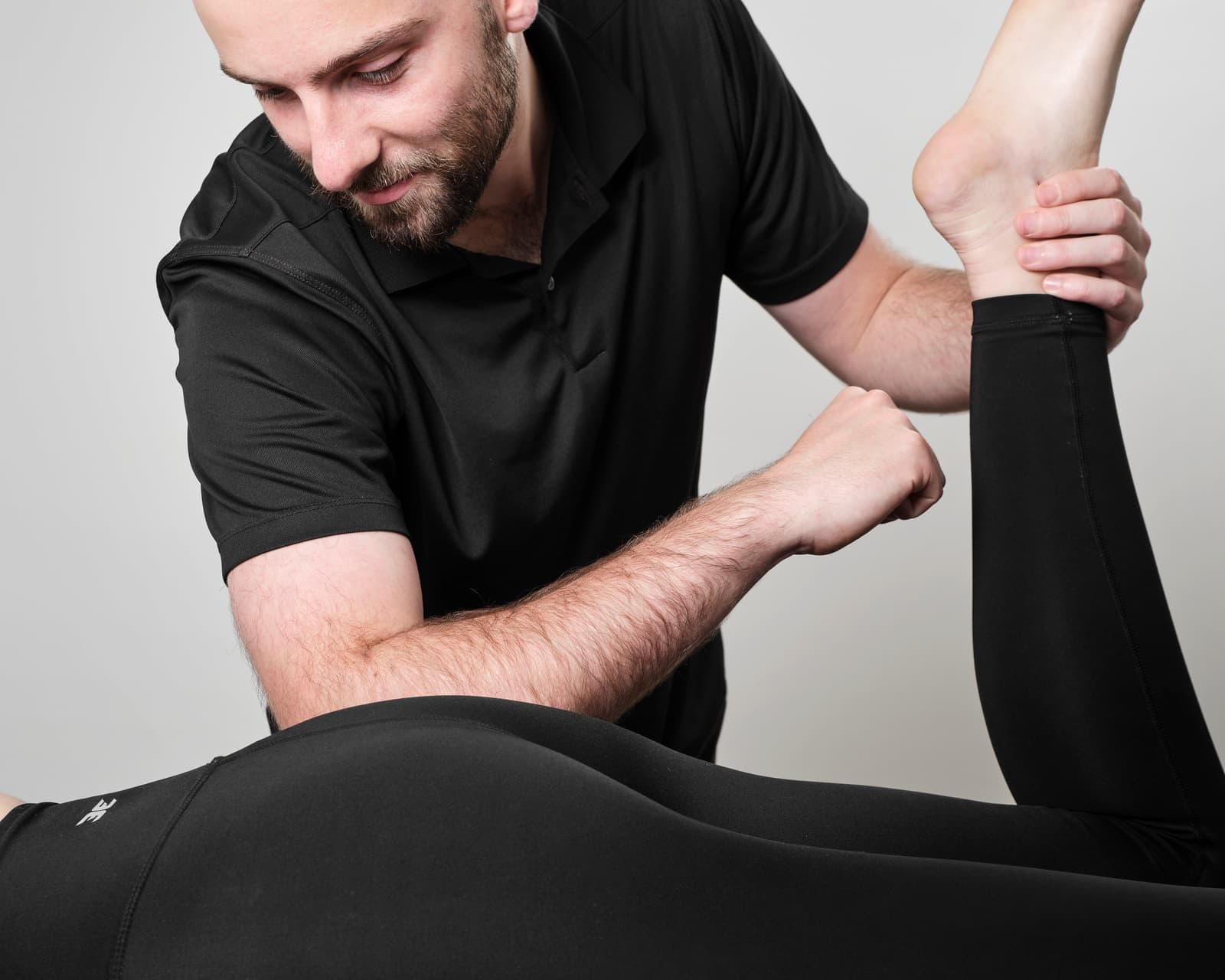
Hip pain and tightness can affect everything from walking and stairs to sleeping comfortably. Because the hips, lower back, and pelvis work so closely together, we assess the whole region rather than the hip in isolation. The aim is to restore comfortable, confident movement.
What it can feel like
- Stiffness getting in and out of the car or up from a chair
- Pain in the groin, side of the hip, or buttock
- Discomfort sleeping on the affected side
- A reduced stride or a sense of tightness when walking
Common contributing factors
- Long hours seated reducing hip movement
- An increase in activity the body was not ready for
- Reduced strength through the hips and glutes
- Compensation from the lower back or knee
How we help
A full assessment of the hip, pelvis, and lower back
Hands-on treatment to restore movement and ease pain
An exercise plan focused on hip strength and control
Practical advice for sitting, walking, and training
Our perspective
How we think about this
The hip, pelvis, and lower back work as one unit, so hip pain often has as much to do with how you load and control the area as with the joint itself. Muscular strength is central to this, and when it is lacking the hip and lower back tend to pay for it.
One thing we look at closely is rotation through the hip. When internal or external rotation becomes limited, it can drive a surprising amount of both hip and lower back pain. So we assess where your range of motion and strength fall short, settle the painful part down, and then build the strength and control that lets the improvement hold.
Common questions about hip pain
Can an osteopath help with hip pain?+
Yes. We assess the hip together with the pelvis and lower back, because they work as one unit and the painful spot is not always the source. Treatment combines hands-on work with a strength plan focused on the hips and glutes, which is central to lasting improvement.
Is my hip pain arthritis?+
Not necessarily. Plenty of hip pain comes from muscles, tendons, or referral from the lower back rather than the joint itself. And even where osteoarthritis is present, strength work and load management often improve symptoms considerably. An assessment sorts out which picture fits you.
Why does my hip hurt when I sleep on my side?+
Side-of-hip pain at night is commonly gluteal tendinopathy, an irritation of the tendons over the outside of the hip. It responds well to the right loading program and some simple changes, like a pillow between the knees, while it settles.
Does hip pain mean I will need a hip replacement?+
Most hip pain never comes to that. Strengthening, movement work, and sensible load management carry most people a long way. If your situation does reach the point where a surgical opinion makes sense, we will tell you directly and help you get to the right specialist.
How we treat it
Dealing with hip pain?
Book your 60-minute first appointment and we will help you get to the cause, or call the clinic for a chat. Real diagnosis, hands-on treatment, and a plan to follow. All in your first visit.
Same-day appointments often available. Online booking, instant confirmation. HICAPS rebates on the spot.